The science
Harnessing neuroplasticity for motor recovery
Neurorehabilitation depends on the brain’s ability to reorganize its neural networks after injury. XRL is developing non-invasive neuromodulation technologies designed to enhance this neuroplasticity and reinforce the neural activity generated during rehabilitation.
Explore the two targets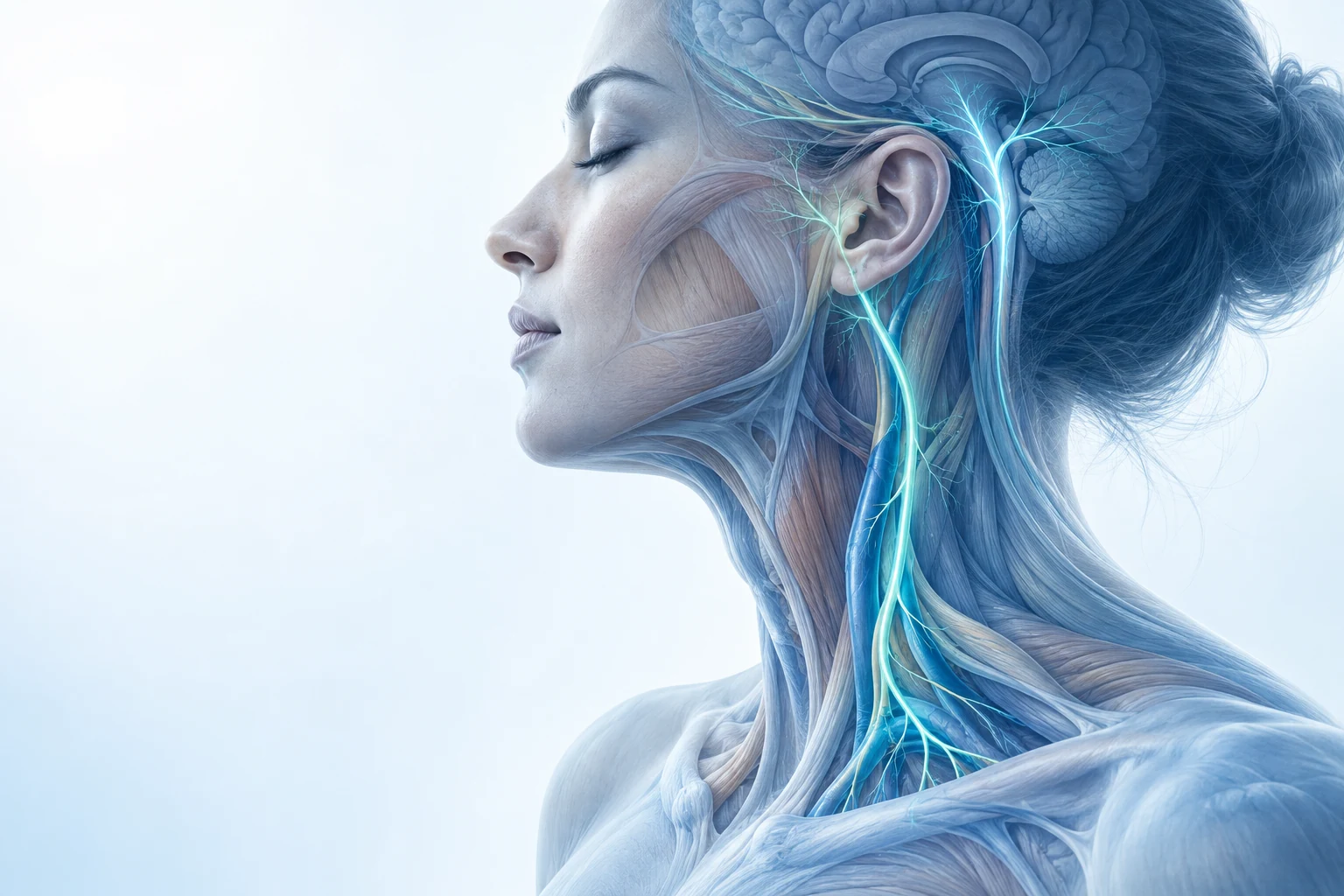
Vagus nerve stimulation
Modulating the brain’s plasticity systems
Vagus nerve stimulation (VNS) can engage neuromodulatory pathways involved in learning and neuroplasticity. Research using paired VNS has shown that coupling vagal stimulation with rehabilitation exercises can strengthen task-related neural activity and support motor recovery after neurological injury.
CERVA is being developed to explore a non-invasive cervical approach to vagus nerve stimulation, avoiding the implanted electrode and surgical procedure required by conventional implanted VNS systems.
Motor cortex stimulation
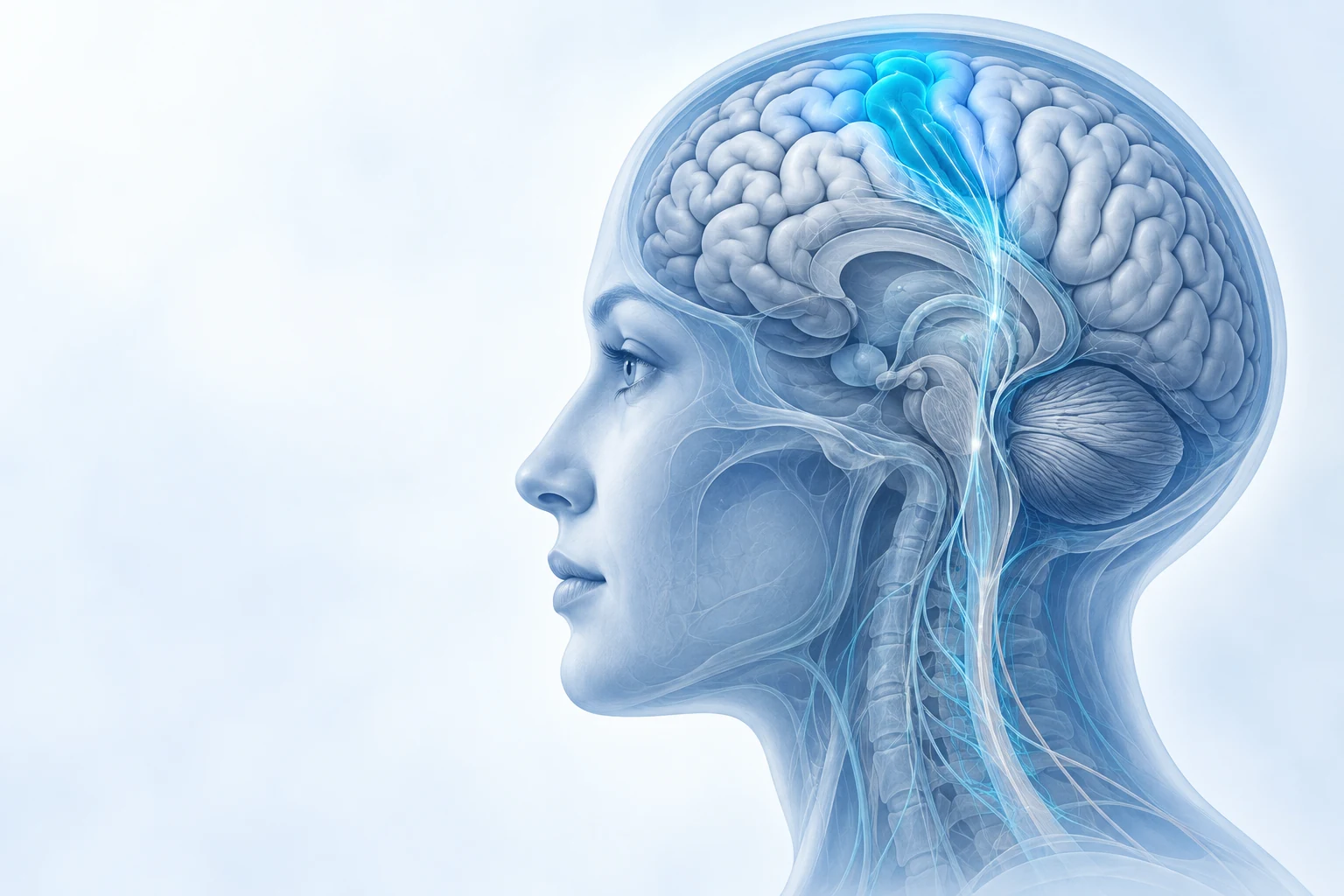
Targeting the networks responsible for movement
The primary motor cortex (M1) plays a central role in motor control, motor learning and functional reorganization following neurological injury.
CERVA is designed to deliver non-invasive, targeted cortical neuromodulation over motor areas, with the objective of modulating cortical excitability and supporting the neural processes activated during rehabilitation.
A paired approach
Two targets. One neuroplasticity strategy.
Vagus nerve stimulation
Modulation of neuroplasticity pathways.
Rehabilitation exercises
Neural activity paired with movement.
Motor cortex stimulation
Targeted modulation of motor networks.
The long-term objective is to synchronize these mechanisms with rehabilitation exercises, creating a paired neuromodulation strategy designed to reinforce activity-dependent plasticity and motor relearning.